
When navigating the current volatility in the wholesale energy market, it is easy to focus solely on the physical blockades dominating the daily news cycle. However, for UK businesses looking to manage their energy procurement strategically, understanding the deeper structural risks at play is far more important than reacting to daily headlines.
To help our clients at Black Sheep Utilities make informed, objective decisions about their upcoming contract renewals, we are looking beyond the surface. According to sources, the global energy supply chain is currently facing a “perfect storm”—a convergence of compounding risks that threaten to keep wholesale prices elevated even if military tensions ease.
Here is a breakdown of the three hidden threats currently amplifying the global energy crisis, and why proactive risk management is the best course of action.
“Actuarial Warfare”: The Insurance Market Freeze
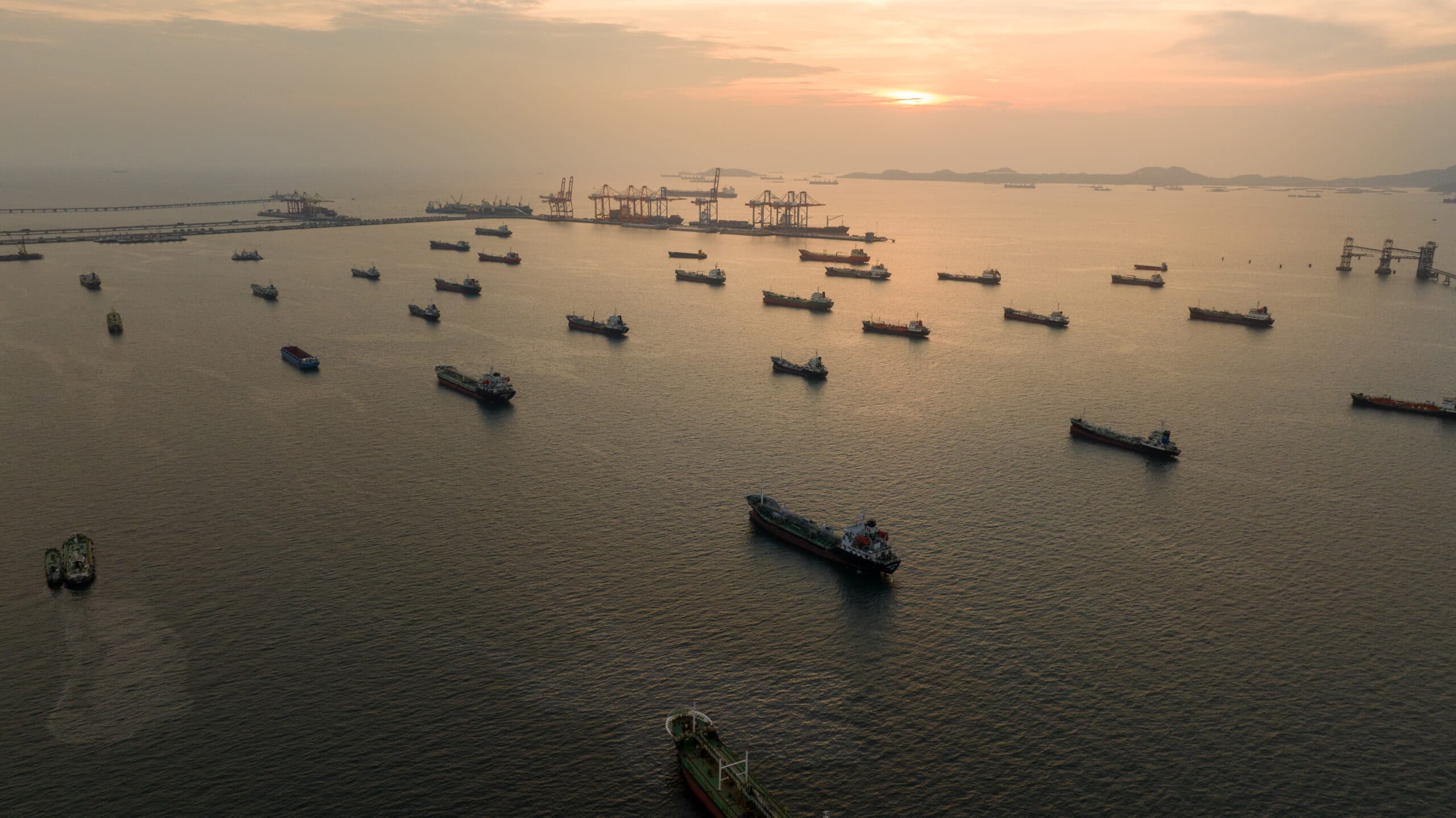
The most immediate barrier to global energy transit is not military, but financial. The Strait of Hormuz has been effectively closed by the maritime insurance industry.
On the 5th of March 2026, seven major Protection and Indemnity (P&I) clubs—which collectively cover 90% of the world’s ocean-going tonnage—cancelled their war-risk coverage for the Persian Gulf. These insurers, bound by strict capital rules (such as Solvency II), simply cannot hold unlimited financial exposure in an active combat zone. As a result, commercial tanker traffic through the Strait collapsed to zero by the 7th of March.
Without war-risk insurance, no commercially owned vessel can legally or financially transit the region, rendering the shipping lane impassable. Crucially, this creates a structural delay: even if a ceasefire is announced, insurance underwriters typically require 30 to 60 days of demonstrated stability before they will reinstate war-risk policies. This means the supply chain disruption will extend for weeks or months beyond any diplomatic resolution, keeping wholesale prices inflated.
The East-West Pipeline Risk: The Threat of Stranded Assets
With the primary maritime route frozen, energy markets are looking to alternative overland pipelines to bypass the Strait of Hormuz. The two primary alternatives are Saudi Arabia’s East-West pipeline (which has a capacity of 7 million barrels per day) and the UAE’s ADCOP pipeline (with a 1.5 million barrels per day capacity).
However, energy analysts warn that these alternative routes carry significant vulnerabilities of their own. Both assets are at serious risk of being targeted by drone strikes, a threat with historical precedent; in 2019, drone strikes successfully damaged pumping stations on the Saudi East-West pipeline, temporarily halting crude flows.
If these bypass pipelines are damaged, the Middle East will lose its only remaining export outlets. Analysts warn that this scenario would render the region’s vast energy exports into “stranded assets,” unable to reach global markets. This would create an absolute physical deficit in global supply that no amount of strategic reserves could permanently fix.
Cyber and Grid Vulnerabilities
The current geopolitical crisis coincides with heightened warnings from intelligence agencies regarding retaliatory cyberattacks. US Cyber Command recently raised its alert posture following intelligence that state-sponsored cyber units are actively planning attacks on critical infrastructure, specifically targeting energy grid control systems and financial networks.
Historically, geopolitical conflicts in the region have triggered severe cyber warfare, such as the 2012 Shamoon virus that wiped out 30,000 computers at Saudi Aramco, and the 2016 distributed denial-of-service (DDoS) campaigns.
Today, these cyber vulnerabilities pose a direct threat to the emergency measures currently stabilizing the market. For example, to release oil from the Strategic Petroleum Reserve (SPR), operators must pump massive amounts of water into underground salt caverns to float the crude to the surface. If the power grids or pipelines supporting these facilities are compromised by cyberattacks or extreme weather, the millions of barrels held in emergency reserves become entirely immobile “stranded assets”.

Strategic Advice: Preparation Over Panic
The purpose of highlighting these risks is to advise, not to alarm. At Black Sheep Utilities, we believe that understanding the mechanics of a crisis is the first step in mitigating its impact on your business.
The convergence of uninsurable shipping routes, vulnerable bypass pipelines, and cyber threats to energy infrastructure means that the current market volatility is structural and likely to persist. Banking on a swift drop in wholesale prices is a highly speculative gamble in this environment.
If your business is approaching its energy renewal window, the most prudent financial decision is proactive risk management. Securing a fixed-rate commercial energy contract now insulates your budget from this “perfect storm,” ensuring that your operational costs remain predictable even if these compounding risks continue to strain the global market.
Book a callback with Black Sheep Utilities today, and let us help you secure the best energy deals and protect your business from unexpected cost increases.