
A Major Milestone in the UK’s Low-Carbon Transition
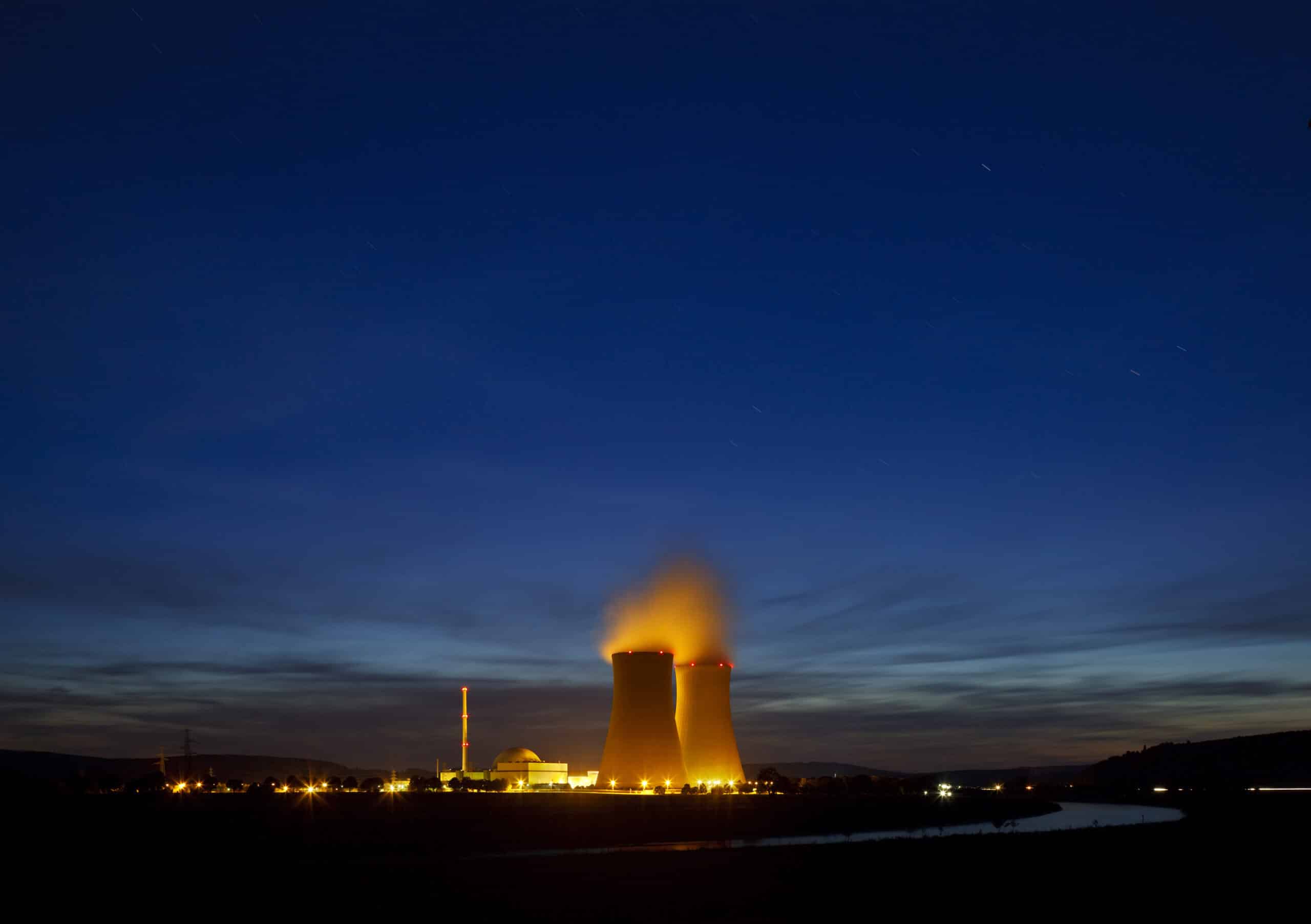
The UK’s nuclear ambitions have taken a decisive step forward. French energy giant EDF has confirmed a 12.5% stake in the Sizewell C project, marking the first major private sector investment in the new power station and reinforcing confidence in Britain’s energy future.
This move comes just weeks after the government pledged £14.2 billion to support the plant, eventually providing low-carbon electricity to around 6 million homes. EDF’s involvement isn’t just a symbolic gesture – it signals a strong commercial belief in the project’s potential to deliver stable, long-term returns in an increasingly volatile energy landscape.
Why This Matters for UK Businesses
Nuclear power might seem distant from everyday business decisions, but Sizewell C is a strategic asset that could reshape the UK energy market over the next decade. Here’s how:
-
Baseload stability: Unlike wind or solar, nuclear runs around the clock. As renewables expand, steady output from plants like Sizewell C will help stabilise the grid, especially during high-demand periods or when renewables dip.
-
Price predictability: Nuclear power typically offers decades of relatively consistent costs once operational. That stability is vital for businesses navigating procurement in a volatile global energy market.
-
Economic ripple effects: The project is expected to support 10,000 construction jobs, 1,500 apprenticeships, and thousands more roles in the broader supply chain. Sectors ranging from engineering to logistics could see knock-on opportunities.
-
Policy alignment: Backing from the UK and French governments reflects nuclear’s central role in meeting climate targets, reducing fossil fuel reliance, and bolstering national resilience. The more aligned your energy strategy is with policy direction, the more future-proof your business becomes.
More Than Just a Power Station
EDF’s investment is part of a broader UK-France energy cooperation strategy that includes a new 15-year fuel supply deal with UK company Urenco, and expansion plans from French engineering firm Assystem to double its nuclear workforce in Britain.
What we’re seeing is not just a project—it’s an ecosystem in the making.
While Sizewell C grabs headlines, it’s worth noting that the government’s wider nuclear strategy also includes small modular reactors (SMRs) and innovation around next-gen clean technologies. Businesses that monitor these developments today will be better placed to adapt when they become market realities tomorrow.
Where We’ve Been and Where We’re Going
We covered the initial Sizewell C announcement in our earlier article, A Nuclear Renaissance: Why Sizewell C Is a Turning Point for UK Energy, which dives deeper into the project’s capacity, long-term role in the grid, and potential for business impact.
This latest update (EDF’s confirmed backing) brings Sizewell C closer to its Final Investment Decision, which is expected later this year. It’s a clear sign that after years of uncertainty, the UK is serious about delivering what Prime Minister Keir Starmer calls a “golden age of nuclear”.
Stay Ahead of the Curve
At Black Sheep Utilities, we track developments like these because they shape the energy environment in which our clients operate. Whether you’re planning your next procurement cycle, reviewing sustainability goals, or thinking long-term about energy cost exposure, staying informed is your competitive edge.
Want help navigating the changing energy landscape? Book a callback below to speak to one of our expert consultants.