
A major step in securing the UK’s clean energy supply
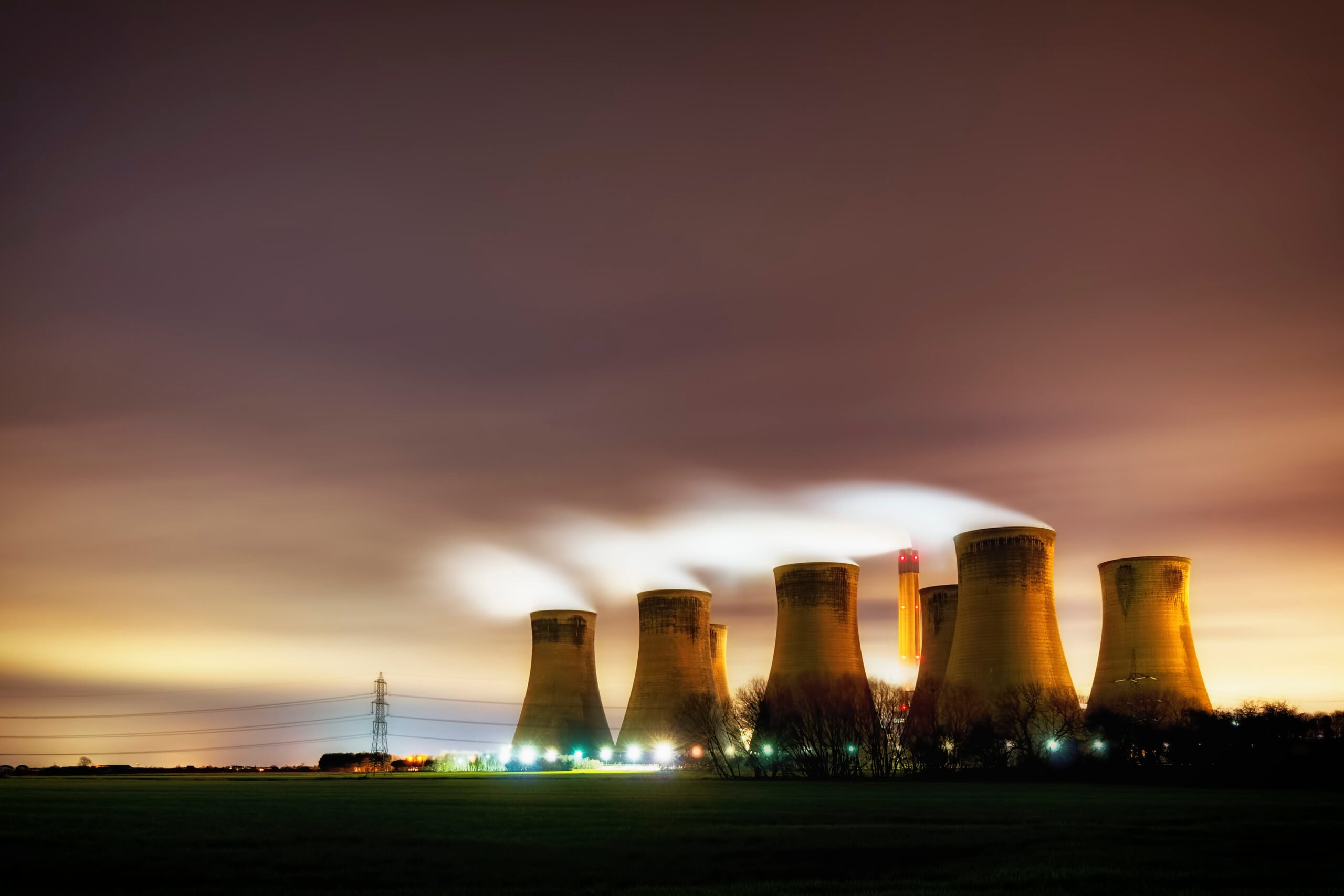
On June 10, 2025, the government unveiled a decisive move: committing £14.2 billion to Sizewell C, a new nuclear plant in Suffolk capable of supplying low-carbon electricity to around six million homes. With a capacity of approximately 3.2 GW, this facility taps directly into the UK’s ambition to meet a doubling of electricity demand by 2050—a goal intertwined with achieving net-zero emissions.
This is far more than a power station. It marks the dawn of a “golden age of nuclear” in Britain, with politicians and industry leaders aligning nuclear strategy with energy security and climate resilience. Energy Secretary Ed Miliband remained unequivocal, describing nuclear as the linchpin for “clean‑energy abundance” that bolsters both household budgets and national energy autonomy.
Consistency Meets Capacity: The Role of Base‑Load Reactors
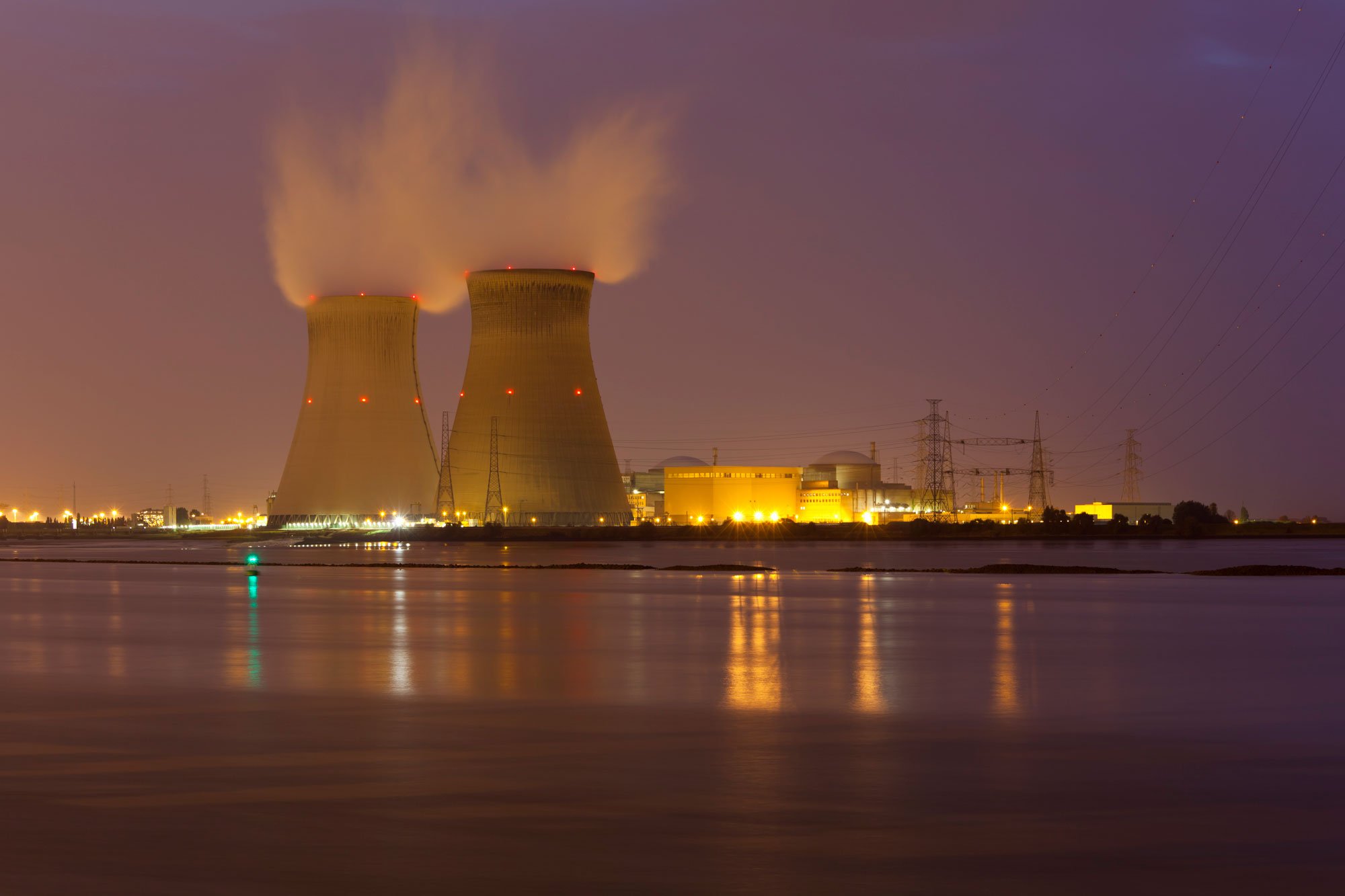
While renewables like wind and solar are rapidly expanding in the UK, their intermittent nature leaves gaps—particularly during lulls in wind or after sunset. Nuclear fills that role, offering unwavering, low-carbon baseline output day and night.
Sizewell C builds on EDF’s Hinkley Point C template, profiting from standardised design to streamline construction and control costs—though estimates still hover around £20 billion, with the true figure likely higher. When online, it will shoulder a large portion of the UK’s baseload requirement, reinforcing grid stability even as demand surges toward 2050.
Small Modular Reactors: Flexibility in the Nuclear Future
Alongside Sizewell C, the government is backing Small Modular Reactors (SMRs)—a complementary nuclear strategy aimed at decentralised, quicker-deploying energy solutions. Rolls‑Royce has emerged as a preferred bidder for the UK’s first SMR programme, with around £2.5 billion pledged for SMR R&D and fuel investment.
Despite promise, questions remain over cost competitiveness. Achieving economies of scale will likely require serial deployment, with concerns that current funding may only fuel a “first-of-a-kind” pilot phase . Still, the agility and potentially lower upfront costs of SMRs make them well-suited for powering industrial sites or small grids where gigawatt plants aren’t viable.
Strategic Alignment: Nuclear, Net‑Zero, and National Energy Plans
The UK’s nuclear ambition is rooted in a clear strategy: deploy 24 GW of nuclear capacity by 2050—around a quarter of projected electricity requirements. With conventional reactors set to retire by the 2030s, Sizewell C and Hinkley C are indispensable stopgaps. SMRs and fusion programmes, meanwhile, offer a bridge onward.
This layered energy matrix ensures continuous supply, curbs reliance on volatile global gas markets, and supports climate goals—aligning nuclear power not just with energy, but with economic and environmental priorities
What This Means for Black Sheep Utilities—and Its Clients
At Black Sheep Utilities, our focus is clear: helping clients navigate energy risks and opportunities. Here’s how these nuclear developments inform strategy:
-
Long-Term Price Security: Though funded via the Regulated Asset Base (RAB) model, nuclear offers price predictability—balancing upfront costs with decades of stable electricity.
-
Grid Reliability: As energy demand grows, clients must integrate reliable baseload supply models to complement renewables, ensuring operational resilience.
-
Future-Fit Innovation: SMRs could empower localised solutions—think industrial hubs or remote operations—well ahead of full deployment timelines.
Looking Ahead: Key Milestones
The Final Investment Decision (FID) for Sizewell C is expected post the July 2025 summit with France, coinciding with private investor commitments. Meanwhile, the SMR competition is likely to conclude alongside the Spending Review, determining whether the UK embraces a fleet-based model or opts for a single pilot project.
As pipelines take shape, nuclear energy is gearing up to become a foundation for affordability, flexibility, and security in the UK’s low-carbon transition.

Bottom Line
Nuclear energy is set to play a defining role in the UK’s low-carbon future. With Sizewell C promising decades of stable, large-scale electricity and Small Modular Reactors on the horizon, businesses must start planning now to adapt to a rapidly changing energy market.
At Black Sheep Utilities, we work directly with businesses to turn energy uncertainty into strategic opportunity. Whether you’re managing multi-site operations, navigating complex procurement cycles, or building a long-term sustainability plan, understanding how nuclear fits into the UK’s future energy mix is crucial.
We offer tailored briefings, cost forecasting, and proactive advice to help you make informed decisions—so your business can stay ahead of regulation, volatility, and competition. Let us help you build a future-ready energy strategy, today.