What Happened
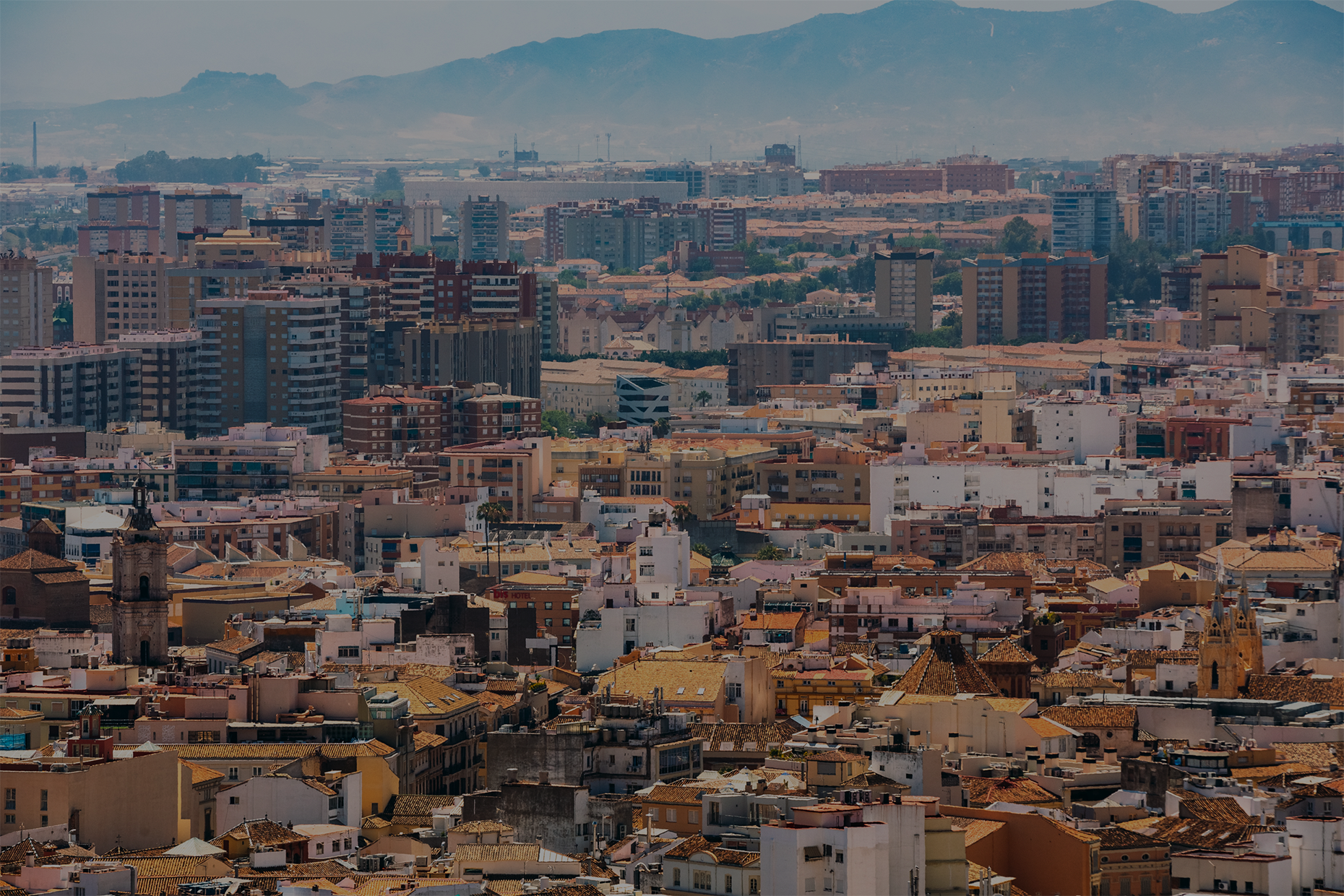
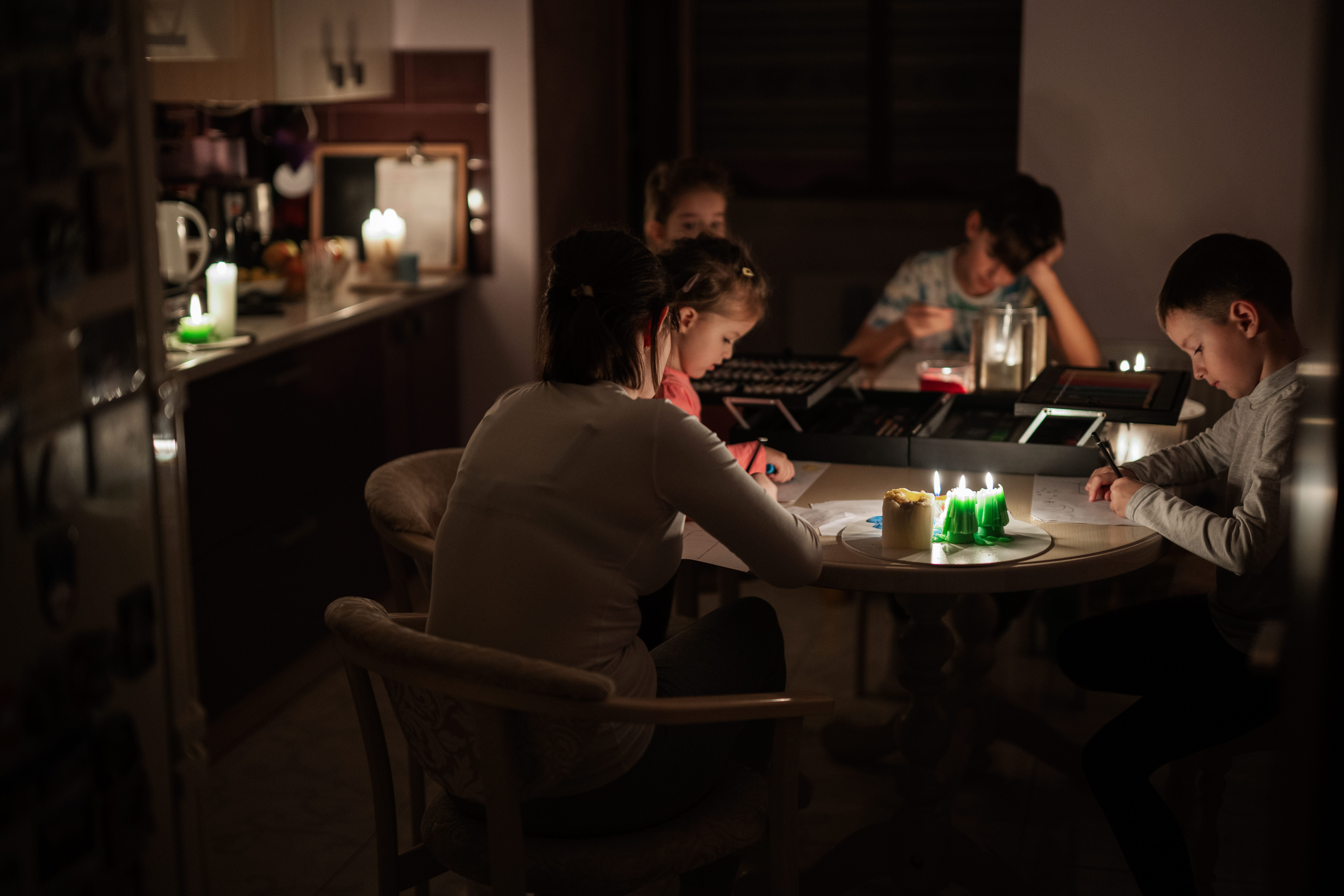
At approximately 4:30 PM local time on April 28, the Iberian Peninsula suffered an instantaneous loss of around 15 gigawatts of electricity—roughly 60% of Spain’s demand. The blackout disrupted everyday life across Spain, Portugal, and parts of southwestern France.
As of now, there is still no definitive explanation for the Spain-Portugal blackout. Portugal’s grid operator initially blamed “anomalous oscillations” in high-voltage lines—possibly due to extreme temperatures—but later retracted that explanation.
Speculation has since turned toward a combination of grid instability, surges from renewables, and insufficient interconnection with the broader European grid.
What’s clear is that the event exposed deep vulnerabilities in how modern energy systems are balanced and backed up—especially under pressure from growing demand and fluctuating renewable generation.
The Renewable Paradox
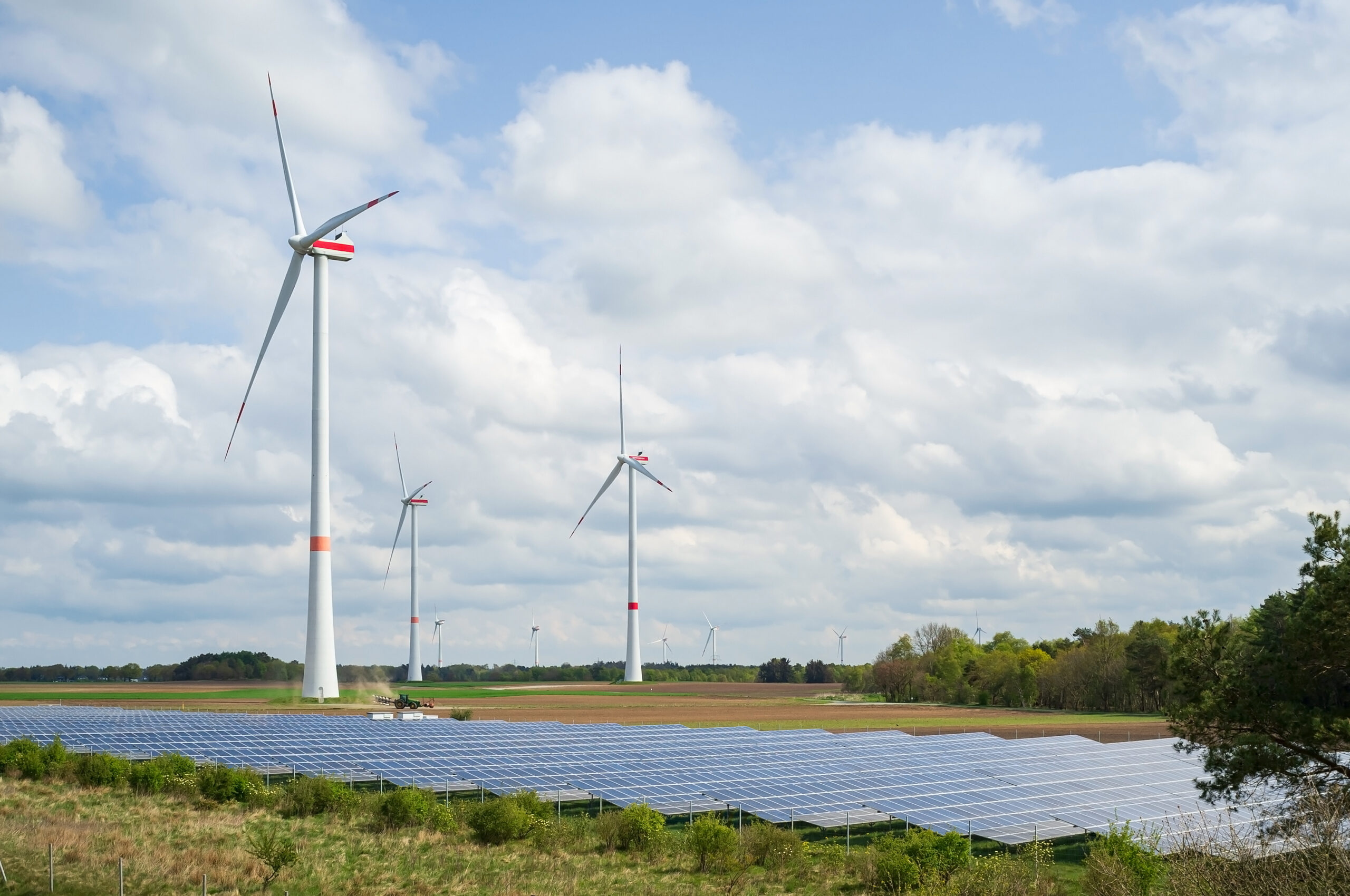
Spain currently generates over half of its electricity from renewable sources, especially wind and solar. While this is an environmental win, it introduces new technical challenges.
Unlike fossil fuels or nuclear plants, wind and solar are non-synchronous—they don’t provide the grid with the physical inertia needed to stabilize frequency when there’s a disturbance.
As Phil Hewitt from Montel Analytics notes, “Grid operators need to invest in inertia technologies like synchronous condensers and fast-acting reserves like batteries to ensure resilience as renewables grow.”
A Fragile Grid
Spain and Portugal are part of the MIBEL (Iberian Electricity Market) but have limited alternating current (AC) interconnections with the rest of Europe. This makes them functionally similar to “islanded” grids like Great Britain or Ireland—self-reliant, but more exposed to instability.
Jean-Paul Harreman of Montel Analytics explains, “In peninsular systems like Iberia, low synchronous connectivity makes internal flexibility and resilience even more critical.”
This lack of interconnection worked as a double-edged sword. While it contained the blackout to the Iberian region, it also cut off the ability to draw emergency power from neighbouring countries when it was most needed.
Complexity Behind the Curtain
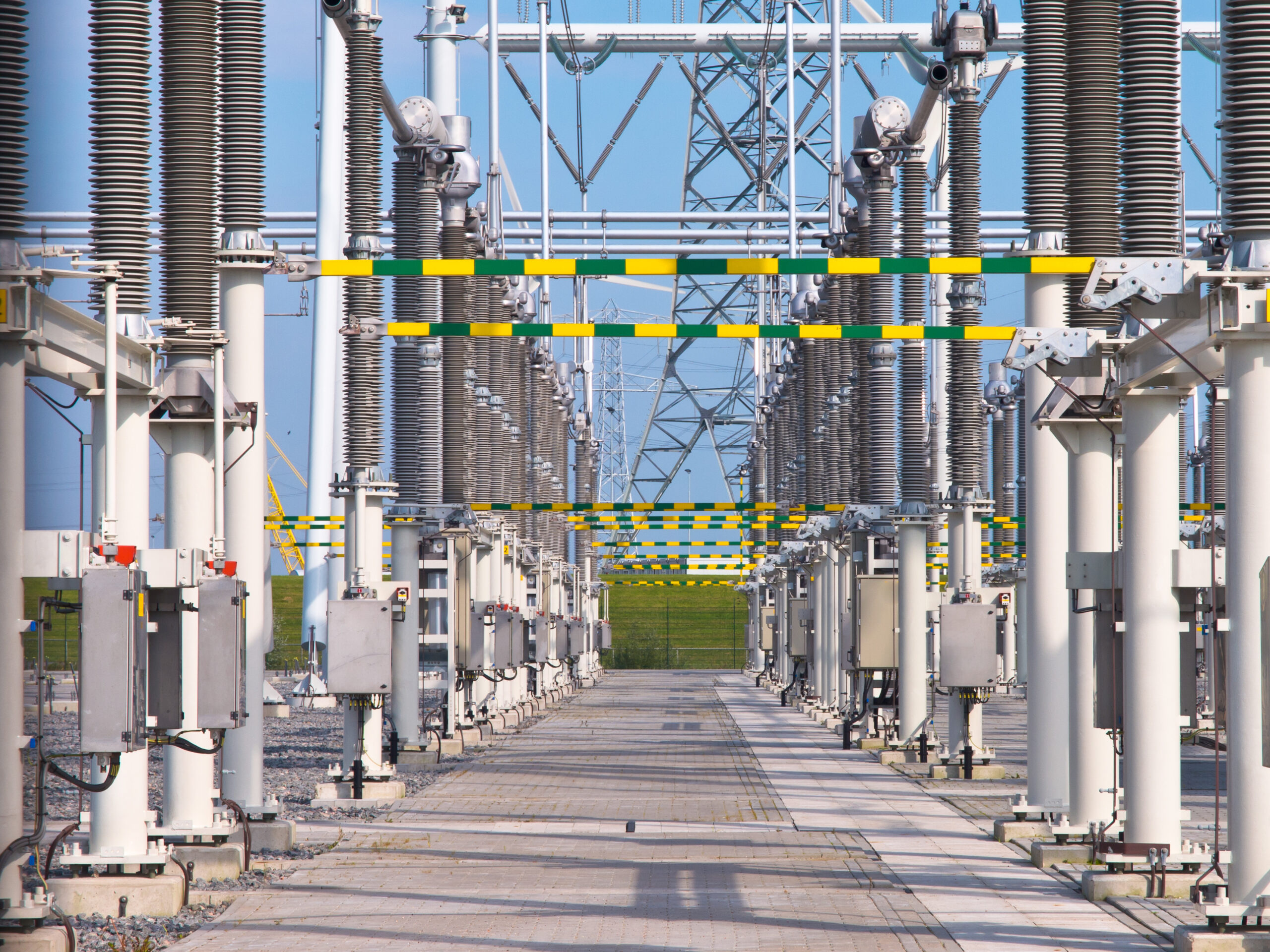
Spain’s energy system is a complex mesh of wholesale auctions, long-term contracts, real-time market corrections, and now—an influx of electricity from small-scale solar producers.
These decentralized producers often feed surplus energy back into the grid, which now must manage two-way energy flows, adding a new layer of physical and bureaucratic strain.
The rapid rollout of renewables, coupled with the planned closure of nuclear plants, is creating a structural imbalance. Renewable output fluctuates with weather; fossil fuel plants must stay partially online to fill gaps, paradoxically raising costs despite cheaper renewable input.
Centralised vs. Decentralised Futures
The blackout brings us to a crossroads: Should Europe pursue a fully centralised grid, or empower distributed generation at the local level?
A centralised model offers efficiency and load balancing but increases the risk of cascading failures. A decentralised model—where households and businesses generate and store their own electricity—can reduce dependency but requires vast upgrades to infrastructure and digital grid management.
Ideally, Europe will need a hybrid solution: resilient central grids for industry and infrastructure, paired with decentralised production to empower consumers and boost flexibility.
What Now?
The Spain-Portugal blackout wasn’t just a technical failure—it was a systems failure. And it won’t be the last if infrastructure doesn’t evolve in step with policy and technology.
Here’s what needs to happen:
-
Modernise the grid to handle bi-directional energy flows.
-
Invest in inertia technologies and energy storage to stabilise supply.
-
Enhance interconnectivity between European countries while keeping emergency isolation protocols.
-
Support mixed models of energy generation to balance efficiency with resilience.
At Black Sheep Utilities, we believe this event is a turning point. The transition to cleaner energy is not just about installing more solar panels or wind turbines—it’s about reimagining the entire energy system for flexibility, stability, and real-world performance.
Because when the lights go out, it’s not just power that’s lost—it’s confidence in the future.
Need Help Securing Reliable Energy for Your Business?
The Spain-Portugal blackout is a reminder that resilience matters just as much as cost. At Black Sheep Utilities, we help businesses navigate the complexities of today’s energy landscape—sourcing stable, cost-effective energy contracts that support both long-term planning and sustainability goals.
If you’re looking for expert guidance on securing your energy future, we’re here to help.